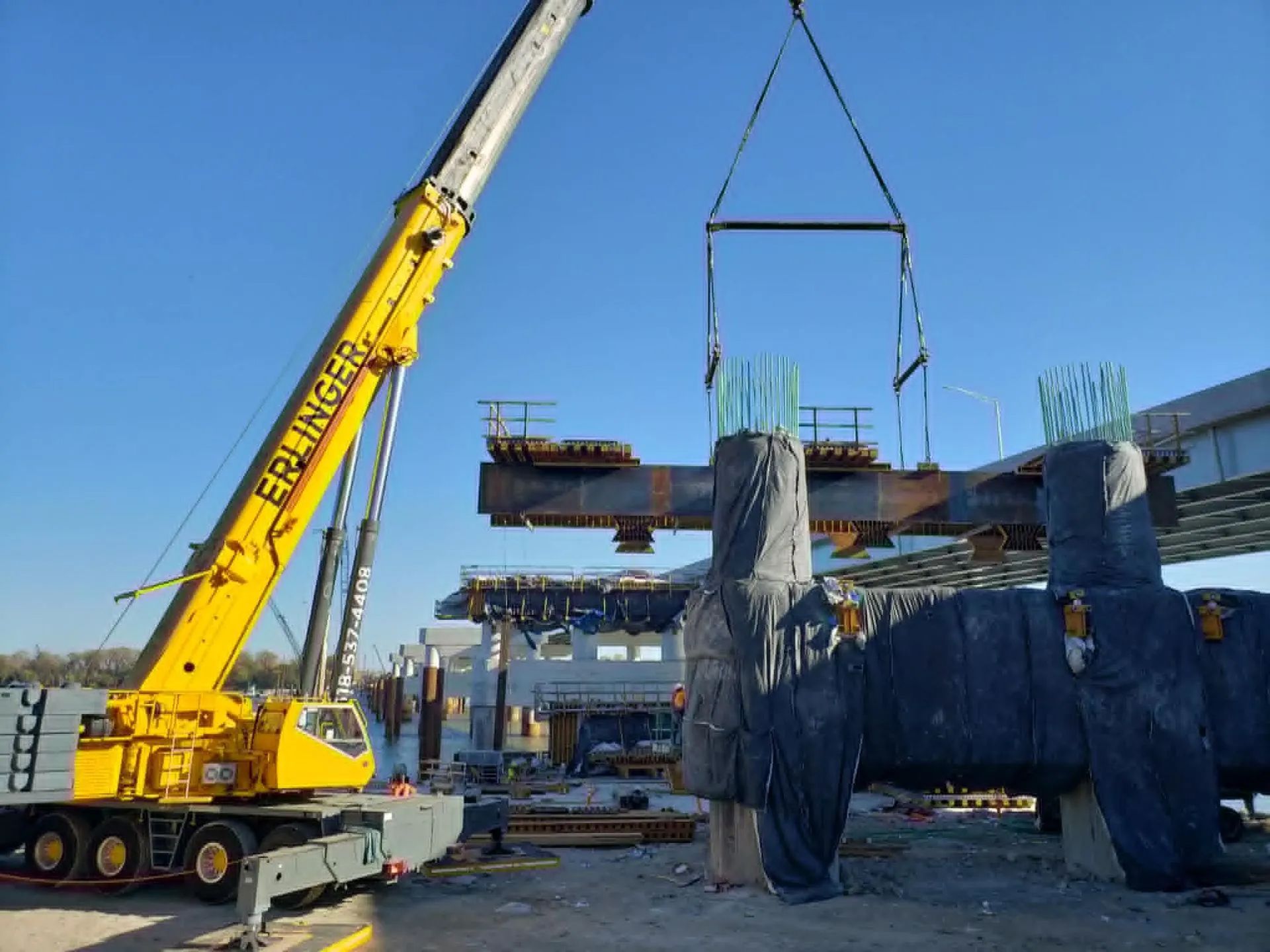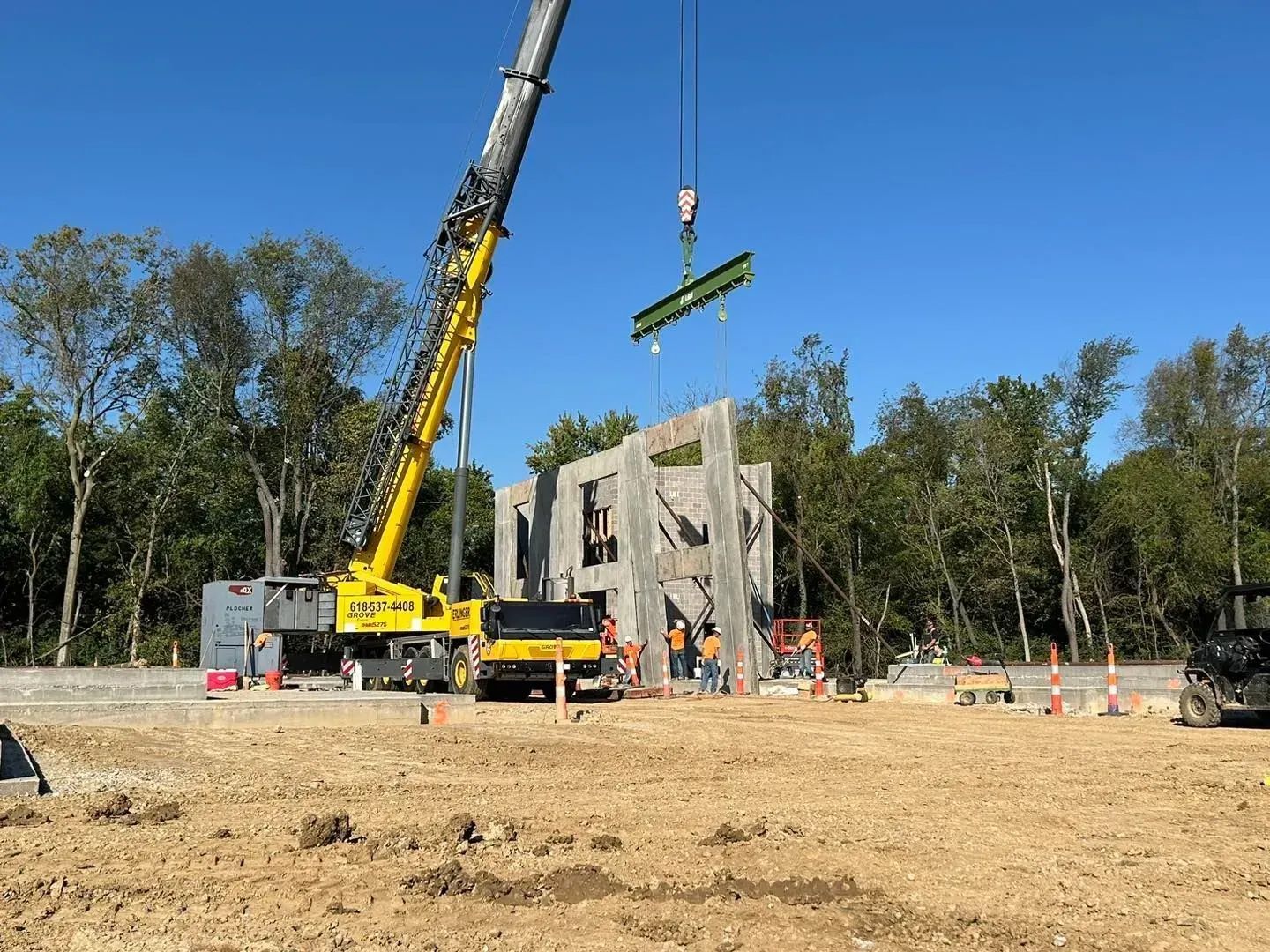
Understanding the importance of choosing the right crane rental is crucial for the efficiency, safety, and cost-effectiveness of any construction or industrial project. The correct equipment can make a substantial difference in how smoothly work progresses, particularly when heavy materials must be moved within strict schedules and challenging environments. Many factors influence equipment selection, including lifting requirements, site conditions, project duration, accessibility, and budget limitations. By evaluating these considerations before work begins, project managers can reduce unnecessary delays, improve jobsite coordination, and select equipment that supports safe and productive operations.
Understanding Your Project Needs
Every lifting project begins with a clear understanding of its scope. The size and complexity of the job will determine the type, capacity, and configuration of equipment required. Large infrastructure or commercial projects may require heavy-duty machines capable of lifting substantial loads, while smaller projects may benefit from compact equipment that can maneuver through limited spaces. Selecting a crane rental based on actual project demands helps prevent paying for unnecessary capacity or discovering too late that the chosen equipment cannot complete the required lifts.
Project planning should also account for how lifting requirements may change as construction progresses. Different phases can involve different materials, heights, access points, and operating conditions. Coordinating with engineers, supervisors, and equipment professionals provides a more complete understanding of these changing demands. Reviewing the lifting plan throughout the project also makes it easier to adjust equipment schedules before changes cause delays.
Evaluating Weight and Load Requirements
Load capacity is one of the most important factors when selecting lifting equipment. Project managers must determine the maximum weight that will be handled and ensure the machine can safely perform the lift under expected conditions. Equipment ratings should never be treated as approximate guidelines because exceeding rated capacity can create serious operational and safety risks. Accurate calculations should account for the load itself, rigging equipment, lifting radius, boom configuration, and other conditions that influence capacity.
Load dimensions and shape matter as well. Oversized, irregular, or unusually long materials can present challenges even when their total weight falls comfortably within equipment limits. A knowledgeable crane rental provider can help evaluate load characteristics and recommend configurations suited to specific lifting requirements. Completing these assessments in advance allows crews to prepare rigging arrangements, establish lifting zones, and coordinate personnel before equipment arrives.
Assessing Site Location and Accessibility
Site conditions can significantly influence equipment selection. Ground stability, terrain, overhead obstructions, nearby structures, access roads, and available setup space should all be examined. Soft or uneven terrain may require tracked or rough-terrain equipment, while crowded urban projects can benefit from machines capable of operating efficiently within confined spaces. Access routes should also be evaluated to determine whether large equipment can safely enter, position itself, and leave the property.
Environmental and regulatory conditions should be considered during planning. Local restrictions may affect operating hours, noise levels, road access, traffic control, or equipment positioning. Projects near power lines or active facilities can introduce additional requirements that must be addressed before lifting begins. Thorough site assessments help identify these concerns early and allow project teams to develop practical solutions instead of reacting to unexpected obstacles after equipment reaches the jobsite.
Planning the Rental Duration
The amount of time equipment will be required directly affects project costs and scheduling. Long-term projects may benefit from extended agreements, while short projects require careful coordination to maximize productivity during a limited rental period. Accurately estimating the duration of crane rental helps project managers align equipment availability with critical construction milestones while minimizing idle time.
Schedules should include reasonable allowances for weather, material deliveries, inspections, and other circumstances that could influence lifting operations. Delays can become especially expensive when specialized equipment remains onsite without being used. Maintaining communication with the rental provider can make it easier to extend or adjust the rental period when project conditions change. Flexible planning allows teams to respond to unexpected circumstances without compromising productivity.
Considering Special Project Requirements
Some projects have conditions that require specialized equipment or technology. Confined spaces, hazardous environments, marine construction, industrial facilities, and projects near active infrastructure can create unique lifting challenges. Advanced control systems, monitoring technology, specialized rigging, or compact equipment configurations may be needed to complete these operations efficiently.
Identifying special requirements early gives project teams time to evaluate appropriate solutions. A crane rental should support both the physical demands of the lift and the broader operational conditions surrounding the project. Planning around unusual site restrictions, environmental goals, or regulatory requirements can reduce complications and create a safer, more organized work environment.
Understanding Mobile and Tower Cranes
Mobile cranes provide versatility for projects requiring equipment to move between different locations or lifting points. Their mobility makes them useful across construction, industrial maintenance, utility work, and infrastructure projects. Depending on the configuration, these machines can combine significant lifting capacity with relatively efficient setup and transportation. Their adaptability is particularly useful when a project involves several lifting operations spread across a large site.
Tower cranes are commonly associated with high-rise construction and other projects requiring substantial vertical reach. Their height, lifting capabilities, and ability to serve broad sections of a jobsite make them valuable for moving structural materials throughout large developments. Strategic placement can reduce material-handling distances and improve workflow by allowing crews to move components directly to elevated work areas.
Comparing Crawler and Rough Terrain Cranes
Crawler cranes use tracked undercarriages that provide stability and mobility across soft, uneven, or undeveloped surfaces. These characteristics make them useful for infrastructure projects, heavy construction, energy developments, and jobsites where conventional wheeled equipment may struggle. Their stable base can support demanding lifting operations, although transportation and setup requirements should be considered during project planning.
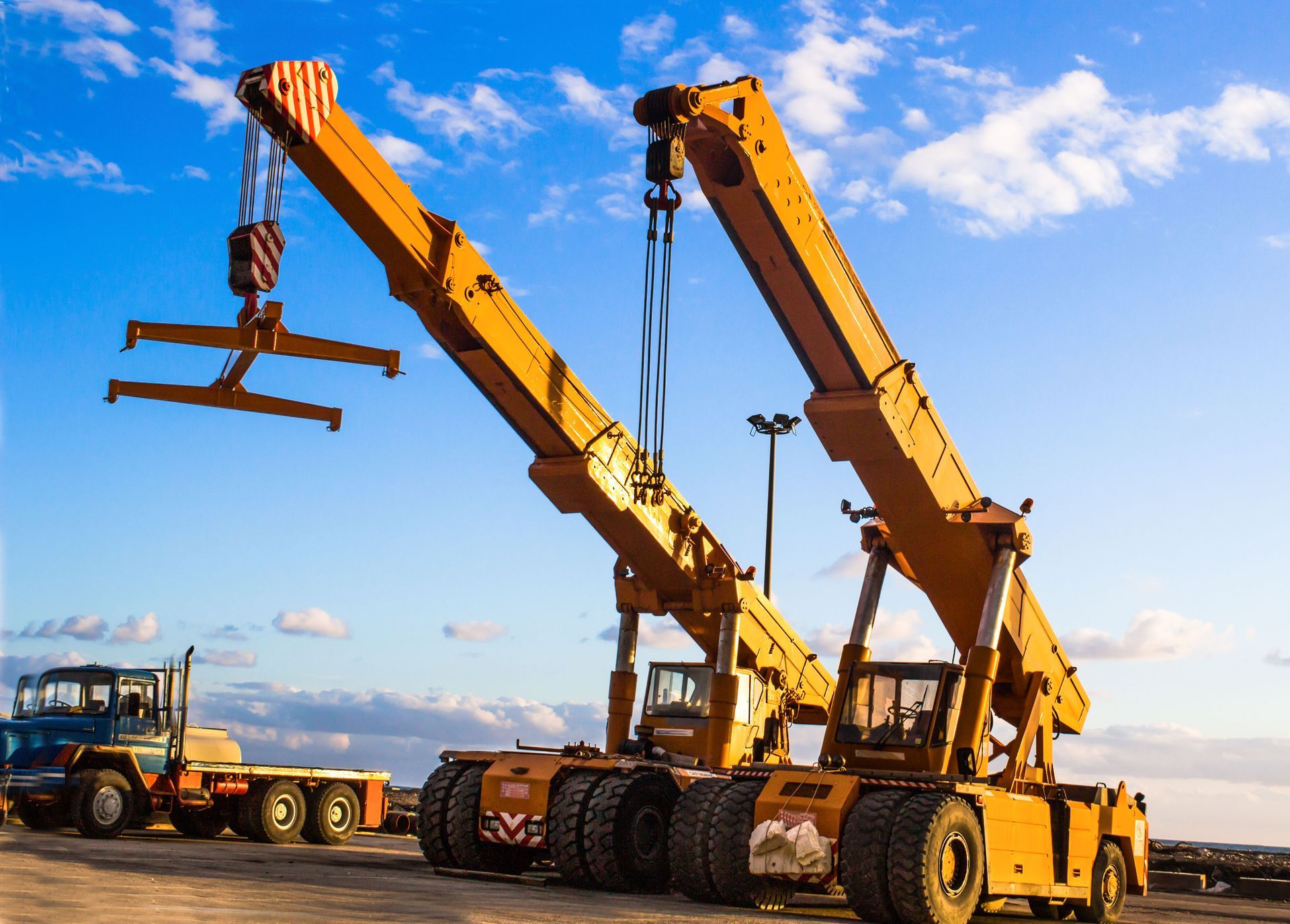
Rough terrain cranes are designed for challenging off-road jobsites and typically feature high ground clearance and maneuverability suited to uneven conditions. They can be valuable for construction, mining, utility, and infrastructure work where equipment must navigate unfinished surfaces. Choosing between these options depends on load requirements, terrain, mobility needs, setup conditions, and the overall layout of the project.
Using All-Terrain Cranes for Flexible Operations
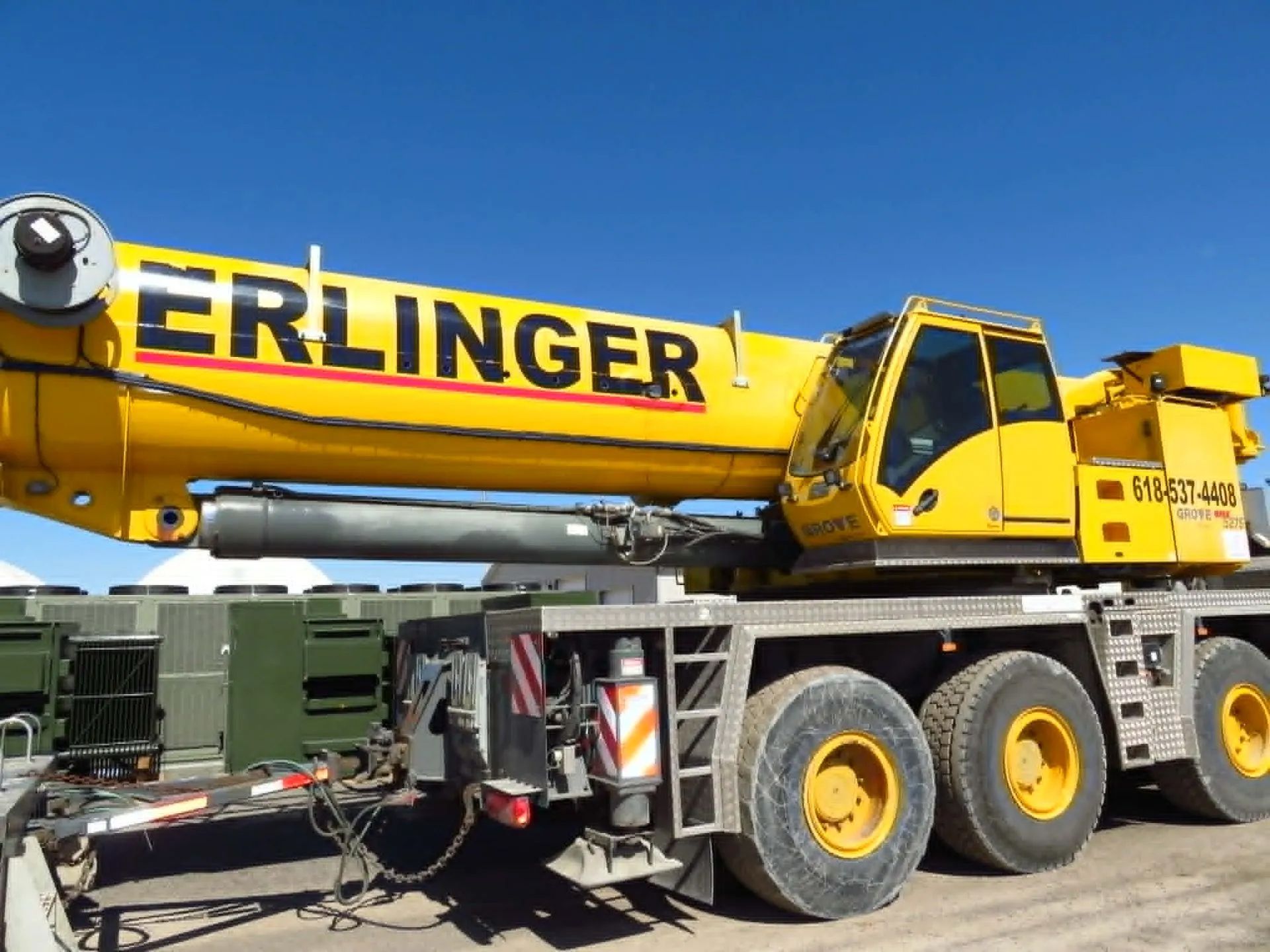
All-terrain cranes combine characteristics associated with road-going mobile equipment and machines designed for demanding jobsites. Their ability to travel between locations while operating across varied terrain makes them suitable for projects requiring frequent relocation. According to Train for the Crane, all-terrain cranes combine the road mobility of truck cranes with the maneuverability of rough-terrain cranes, offering lifting capacities from 40 to 1,000 tons and reaching heights up to 500 feet. These capabilities demonstrate why all-terrain models can be practical for projects that require both significant lifting performance and flexibility across changing work environments.
This versatility can make an all-terrain crane rental useful when a project involves multiple lifting locations or changing site conditions. Modern systems may also incorporate monitoring, telemetry, and advanced controls that provide operators with detailed information during lifting activities. These technologies can support precision, equipment management, and operational planning throughout demanding projects.
Evaluating Rental Company Experience
The equipment itself is only one part of the selection process. A rental company's experience, reputation, safety practices, and knowledge can influence the overall project experience. Established providers should understand different crane configurations and be able to discuss equipment requirements based on load characteristics, site conditions, and scheduling needs. Reviews, industry experience, safety records, and previous project work can provide useful insight when evaluating potential providers.
Ultimately, the right crane rental should provide a combination of appropriate lifting capacity, dependable equipment, practical mobility, professional support, and transparent terms. By assessing project needs carefully and working with an experienced provider, construction and industrial teams can improve productivity, control costs, and maintain an organized approach to complex lifting operations from initial setup through project completion. Contact our team at Russ Erlinger Crane Service today and learn more about our
crane rental services.