Securing heavy lifting equipment represents a major financial commitment for commercial contractors, facility managers, and civil infrastructure developers. Navigating the open market for specialized crane services requires a detailed understanding of how different machine classifications influence bottom-line expenditures. Mobile hydraulic rigs often provide an economical balance of highway speed and lifting power for short-term urban assignments. Conversely, stationary tower units demand substantial capital outlays due to specialized transit, foundation engineering, and multi-day assembly procedures. Choosing the proper equipment class prevents project managers from overspending on unneeded power or selecting undersized machinery that causes dangerous operational delays on the job.
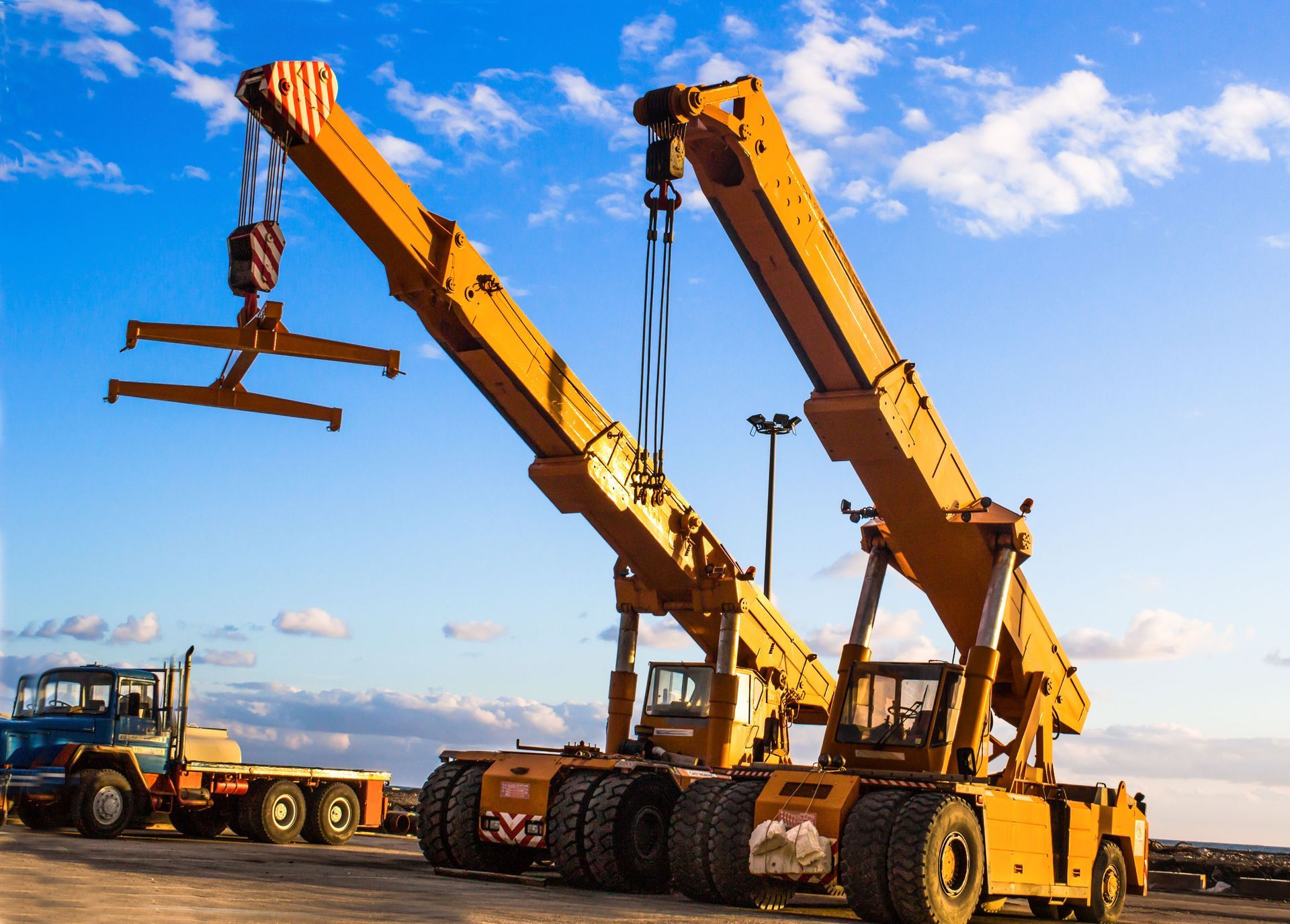
The technological versatility of modern machinery also establishes distinct cost profiles across the lifting sector. According to Train for the Crane, all-terrain cranes combine the road mobility of truck cranes with the maneuverability of rough-terrain cranes, offering lifting capacities from 40 to 1,000 tons and reaching heights up to 500 feet. While these multifaceted units command premium hourly billing, their multi-axle steering and high highway transit velocity eliminate the separate transport trailers and support dollies that conventional crawler units require. Matching precise site access restrictions, surface conditions, and maximum elevation requirements against appropriate machine categories ensures that your organization procures cost-effective crane services that meet every engineering benchmark.
Identifying Project Variables and Site Conditions
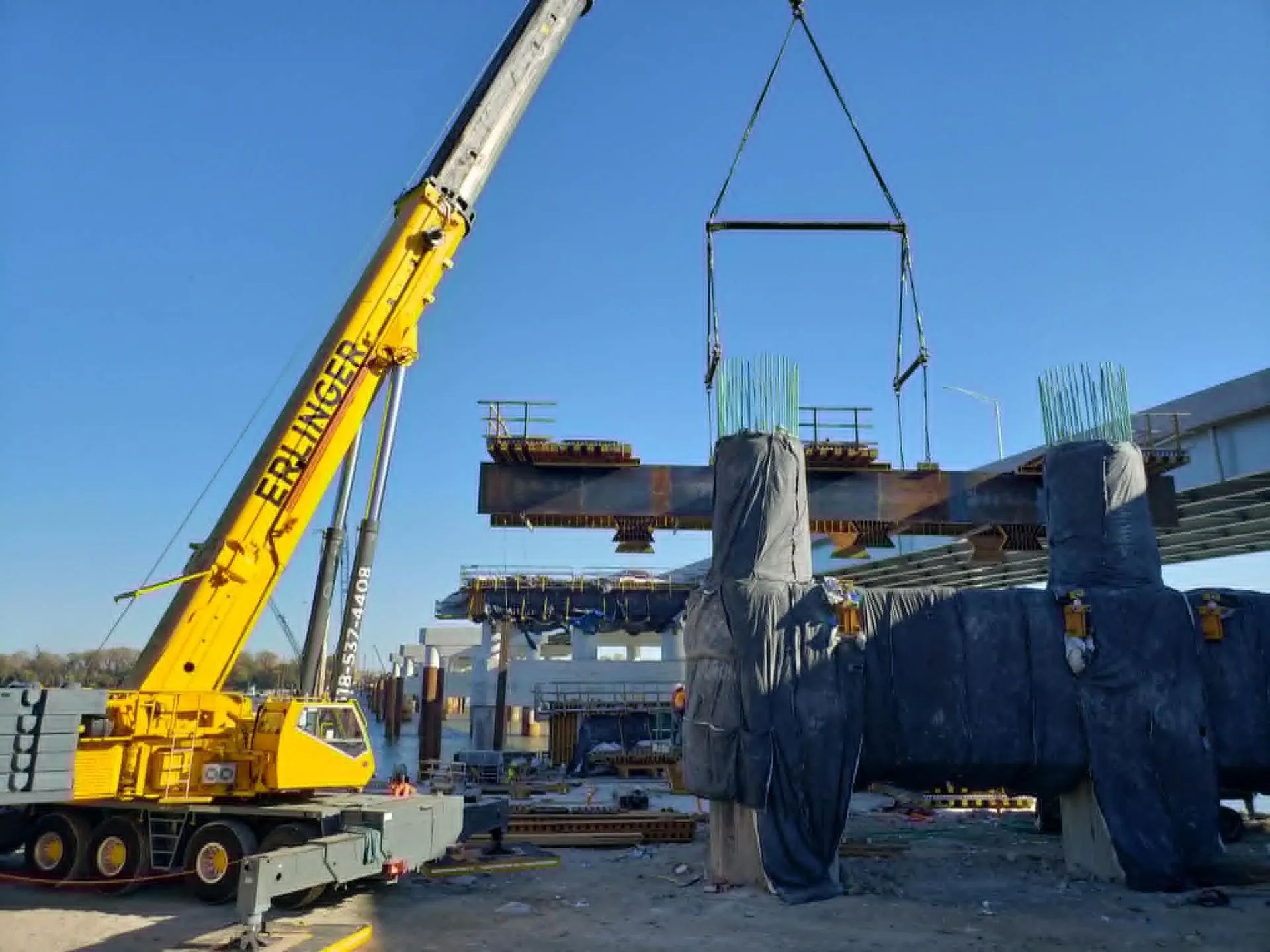
Baseline rental figures represent only a portion of the total financial equation when contracting commercial crane services for demanding construction projects. Rated operational capacity serves as the most prominent pricing variable, as higher-tonnage hydraulic units require heavier counterweight packages, dedicated transport convoys, and specialized insurance policies. Rental duration additionally plays an instrumental role in shaping aggregate invoices. While daily emergency rentals demand premium rates for immediate field deployment, weekly or multi-month commitments generally secure reduced rates. Balancing these scheduling parameters allows commercial project managers to execute planned picks without paying for unnecessary standby downtime.
Surrounding topographical conditions and municipal site limitations introduce another layer of expenditure that field estimators must calculate before mobilization. Loose soil strata, uneven surfaces, or urban underground utility vaults routinely require heavy timber swamp mats or steel distribution plates to distribute high ground-bearing pressures. Confined metropolitan job sites frequently present overhead power lines, narrow rights-of-way, and structural obstacles that mandate prolonged rigging adjustments. By coordinating thorough site assessments before equipment arrives, project planners eliminate unexpected surface preparation expenses and ensure that daily crane services function with seamless efficiency and minimal disruption.
Managing Labor Requirements and Operations
A substantial portion of any budget allocated for professional services pays for the certified labor force managing the machinery. Modern heavy lifting is an exacting technical discipline requiring certified operators, master riggers, signal personnel, and safety managers who command professional wages. Rates fluctuate depending on regional union agreements, individual skill certifications, and the mechanical complexity of the machinery. Mobilization logistics represent an additional operational expense, covering permit fees, certified pilot escort vehicles, and support flatbeds moving detachable counterweights and boom extensions across municipal boundaries.
Fuel management and preventative maintenance protocols represent continuous day-to-day expenditures that directly impact overall operating costs. High-displacement diesel engines consume considerable quantities of fuel under maximum hydraulic pressure, making dynamic fuel surcharges standard across contemporary billing agreements. Furthermore, stringent regulatory guidelines mandate strict preventative mechanical maintenance and documented pre-lift safety inspections. Factoring in these vital operational variables protects your bottom line, ensuring that chosen crane services maintain peak mechanical availability while mitigating the risk of structural failure or on-site safety incidents.
Analyzing Geographic Variations and Regulations
Procuring reliable cranes involves costs that vary noticeably across different geographical territories due to localized economic conditions and industrial demands. Dense metropolitan centers regularly exhibit higher rental and service rates because of elevated overhead, tight insurance obligations, and congested logistics corridors. Conversely, rural installations frequently benefit from lower baseline rates, though these savings are often offset by long-distance mobilization expenses if machinery must travel outside its home territory. Evaluating regional vendor density helps project managers project whether competitive local bidding or remote transport logistics will govern their heavy machinery budget.
Local municipal frameworks and regional environmental mandates further complicate pricing models across individual jurisdictions. Metropolitan public works authorities frequently demand expensive street closure permits, certified traffic control details, and off-peak operating hours that trigger overtime labor rates. Similarly, regions subject to extreme seasonal freeze-thaw cycles enforce road weight bans that require specialized axle spacing or delayed transit. Factoring in these geographic, legal, and environmental parameters allows organizations to construct realistic operating budgets that absorb local regulatory burdens without derailing overall construction schedules.
Securing Favorable Contract Terms
Securing competitive rates requires strategic procurement techniques, transparent contract analysis, and proactive vendor negotiations. Project managers should request itemized proposals separating standard machine rental from labor, mobilization, fuel surcharges, and auxiliary rigging gear. Transparent quotations allow estimators to identify non-essential services, compare overlapping line items among competing vendors, and eliminate redundant logistical costs. Consolidating multiple lifting phases under a unified long-term master agreement often unlocks volume discounts that lower total project expenditures.
Cultivating enduring relationships with dependable regional lifting contractors creates distinct financial advantages over isolated spot-market rentals. Equipment providers routinely extend preferred scheduling, waived mobilization fees, and discounted overtime rates to long-term commercial partners who provide steady business. Maintaining active lines of communication regarding site readiness also prevents expensive standby charges caused by delayed subcontractors or unprepared foundations. Engaging early with trusted crane services guarantees access to high-demand equipment while keeping overall contract pricing predictable and cost-effective.
Anticipating Industry Innovations and Adjustments
Forward-looking project planners must also monitor emerging technological and regulatory trends transforming the heavy equipment landscape. The integration of digital telemetry, real-time load monitoring systems, and computer-assisted lift planning software is making on-site operations faster and safer. While adopting these innovative digital platforms involves minor software fees, the resulting productivity gains reduce total hours on the job site. Advances in hybrid powertrains and electric hydraulic systems are likewise lowering localized exhaust emissions, opening the door for affordable zero-emission operations inside fully enclosed production plants and clean-air urban developments.
Evolving international supply chain dynamics and fluctuations in raw material pricing continue to shape heavy equipment production and subsequent rental rates. When manufacturing expenses for specialty alloys and replacement parts rise globally, fleet operators naturally adjust rental structures to offset their equipment ownership costs. Forward-thinking companies track these equipment life-cycle patterns, pairing digital planning tools with modern fuel-efficient fleets to optimize their heavy lifting investments. Adapting early to emerging technological trends ensures companies secure advanced, highly efficient crane services at balanced, competitive market rates.
Maximizing Value for Heavy Lifting Projects
Navigating industrial lifting expenditures requires balancing machine capacity, mechanical labor, geographical regulations, and contract terms across all required crane services. Commercial enterprises that invest time in understanding machinery variables, evaluating regional market conditions, and scrutinizing itemized quotes routinely achieve higher returns on their capital. Prioritizing safety compliance and site preparation eliminates the costly secondary consequences of equipment damage and downtime. Approaching lifting procurement methodically transforms what might seem like an unpredictable line item into a controllable, high-value asset that keeps projects moving forward on schedule.
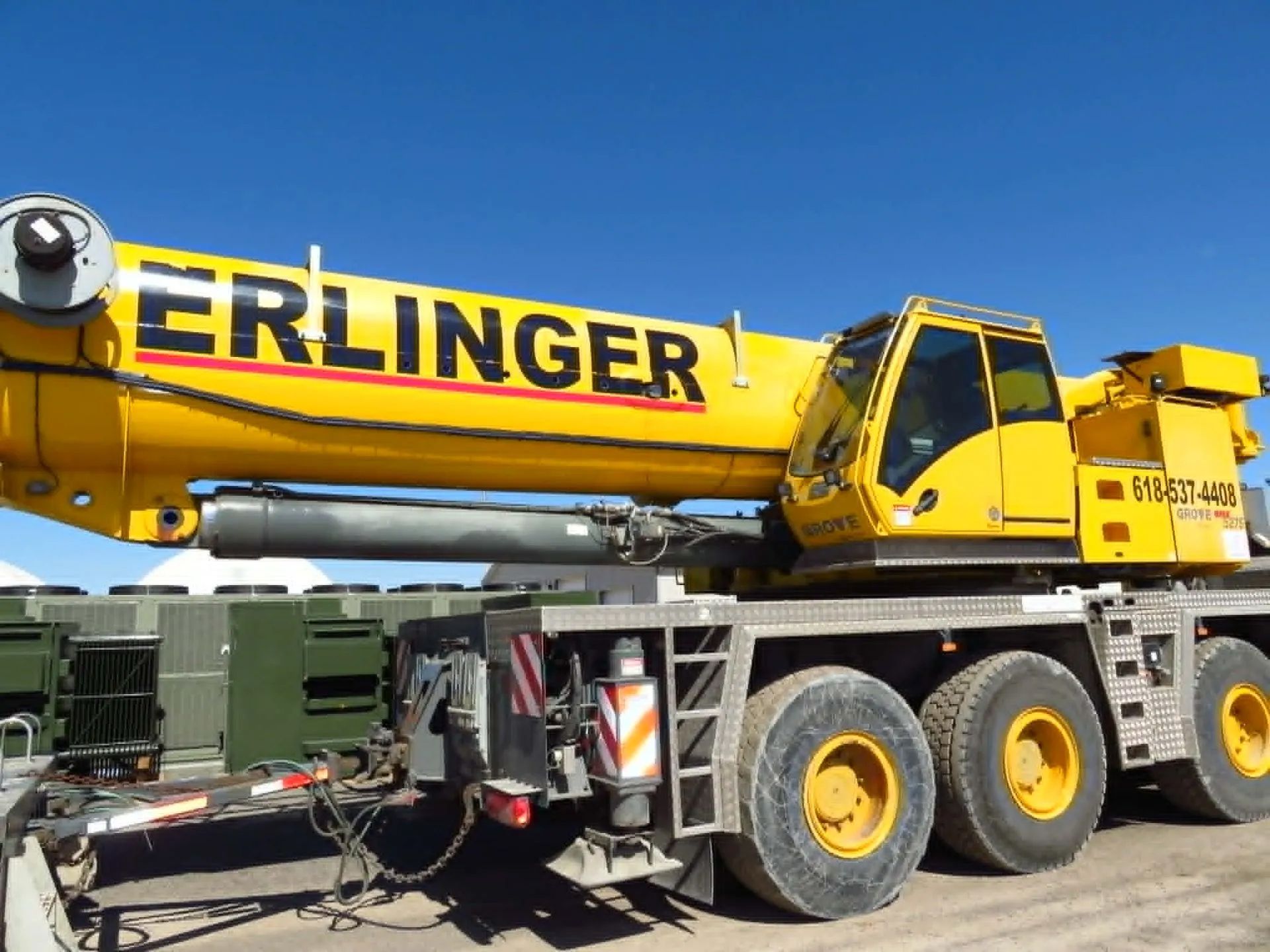
Selecting the right equipment partner remains the ultimate factor in controlling operational costs and achieving seamless execution on the job site. When your organization requires reliable machinery, certified operators, and transparent pricing tailored to your lifting specifications, turn to the industry specialists at Russ Erlinger Crane Service. Their dedicated team provides meticulous lift planning, modern equipment fleets, and professional guidance to keep your operations moving forward securely and within budget. Reach out to their technical specialists today to discuss your site requirements, explore flexible lifting options, and secure the dependable expertise your project deserves.