November 27, 2026
Emergency construction and infrastructure repairs often require specialized equipment capable of handling heavy materials, navigating difficult terrain, and reaching areas traditional machinery cannot access. Following natural disasters, structural failures, or infrastructure damage, cranes play an important role in clearing debris, stabilizing structures, and supporting reconstruction. Their lifting capabilities help recovery teams address urgent problems while communities and businesses restore essential operations. Understanding how crane services contribute to emergency response can help contractors and public agencies prepare for unexpected challenges.
Understanding the Role of Crane Services in Emergency Response
Choosing Equipment for Challenging Conditions
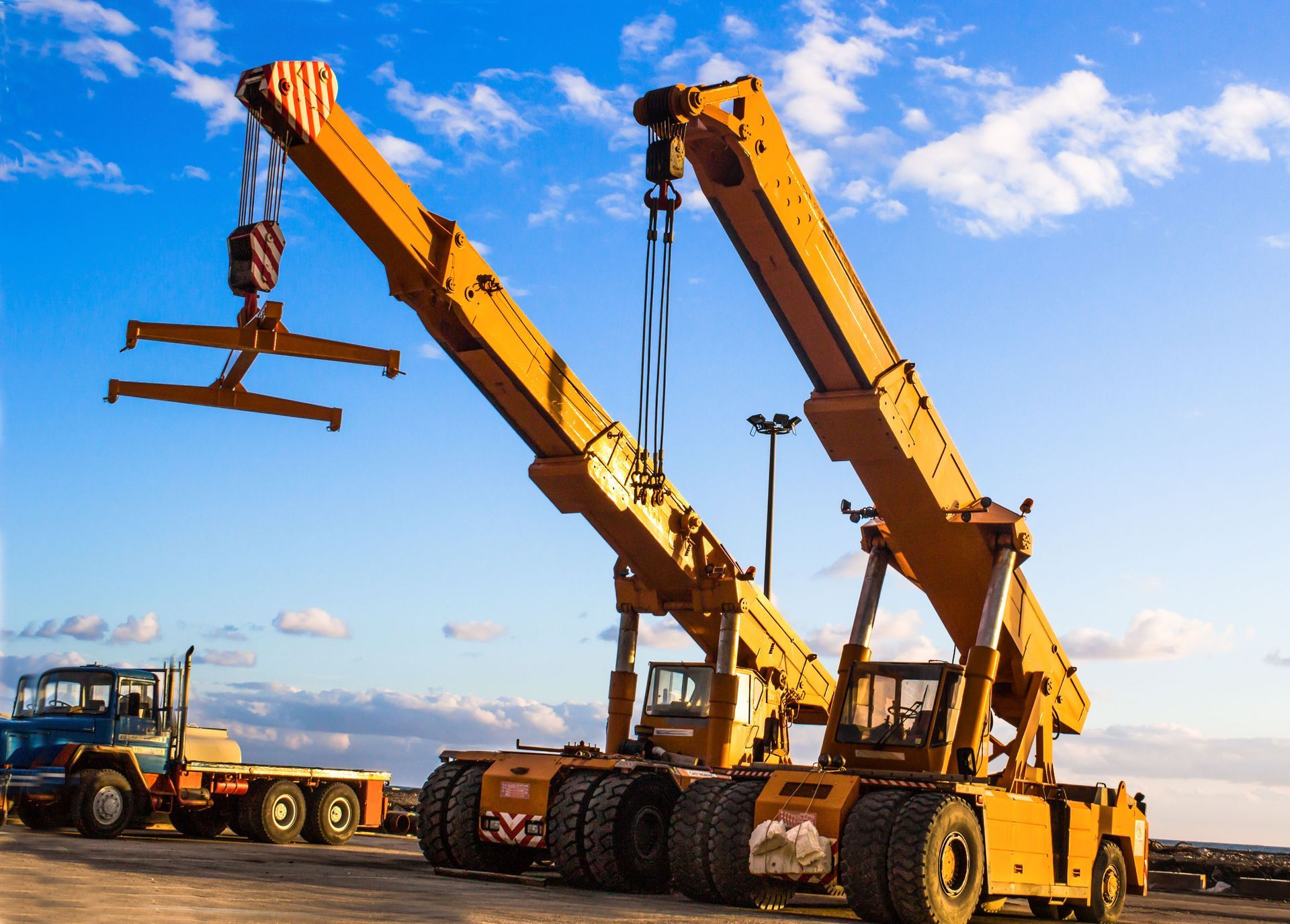
Different emergencies require different types of lifting equipment. Mobile cranes are useful because they can travel between locations and accommodate changing project requirements. All-terrain cranes offer additional flexibility, allowing operators to navigate paved roads and rough surfaces. Crawler cranes provide stability and accommodate substantial lifting requirements. Selecting appropriate equipment depends on load weight, available access, ground conditions, and surrounding structures. Evaluating these considerations helps project teams address immediate needs without creating additional complications.
Prioritizing Operator Experience and Safety
Emergency lifting operations require careful decision-making, particularly near damaged buildings, unstable materials, and other hazards. Experienced crane operators understand how equipment responds to different loads and environmental conditions. They also recognize the importance of following operating procedures, communicating with ground personnel, and evaluating potential hazards. According to Block O'Toole & Murphy, an online legal resource, 90% of crane accidents happen because of human error. This highlights why qualified personnel, clear communication, and consistent safety practices are essential during emergency operations.
Incorporating Technology Into Emergency Operations
Modern crane technology can improve accuracy and equipment readiness during time-sensitive projects. GPS systems, digital load indicators, and monitoring equipment help operators evaluate lifting conditions and maintain awareness of equipment performance. Telematics can also provide information about machine condition and maintenance needs, helping providers identify potential mechanical issues before deployment. Technology supports better preparation and informed decisions when unexpected repairs require immediate attention.
Supporting Disaster Recovery and Infrastructure Restoration
Clearing Debris and Securing Damaged Structures
Following hurricanes, earthquakes, and floods, damaged materials can obstruct roads, restrict building access, and create additional hazards. Cranes help remove heavy debris, relocate damaged equipment, and position materials needed to secure affected areas. They may also assist with lifting structural components into temporary support positions when appropriate stabilization plans are established. These activities help recovery teams address dangerous conditions and create safer access for additional workers.
Restoring Essential Transportation Infrastructure
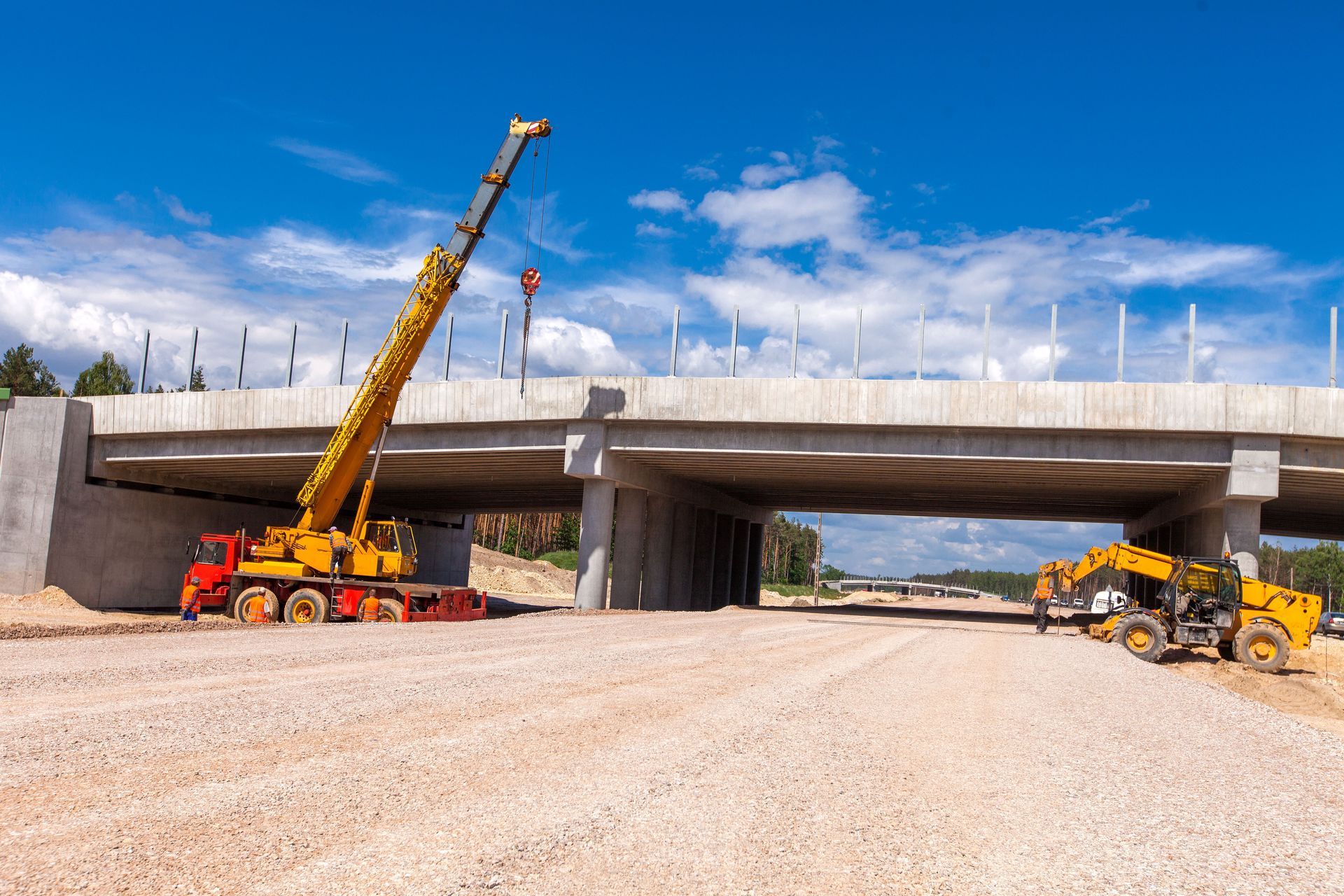
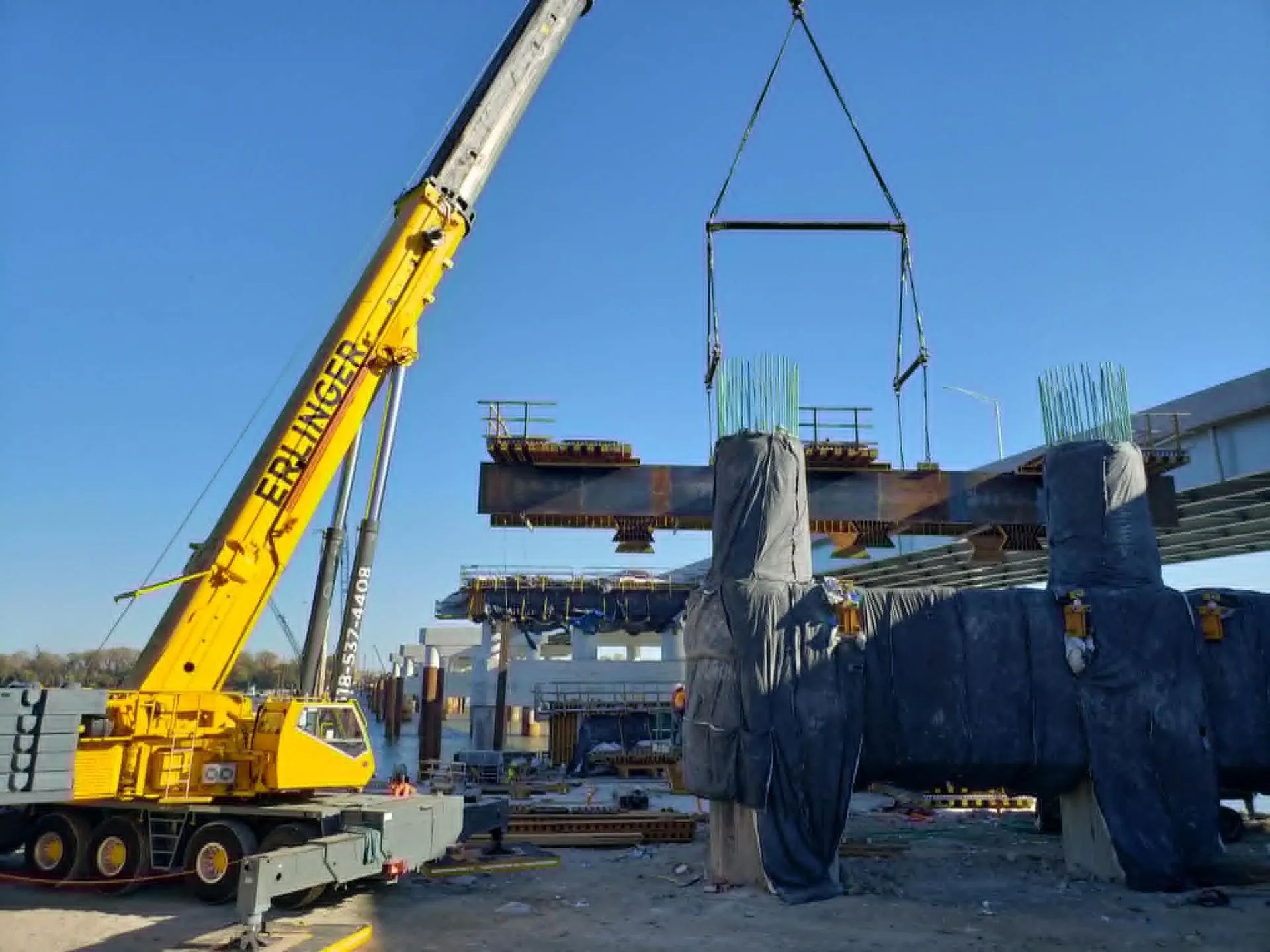
Bridges, highways, and other transportation structures are essential to regional activity. Repairs may require lifting heavy beams, concrete sections, and specialized construction equipment. Crane services help contractors position replacement materials and remove damaged structural elements. Proper lifting coordination also allows crews to work within restricted spaces and around existing infrastructure. Restoring transportation access reconnects communities and helps businesses resume normal activities.
Rebuilding Public and Commercial Facilities
Emergency recovery often extends to hospitals, schools, warehouses, manufacturing facilities, and public buildings. Cranes assist with replacing roof sections, positioning structural steel, installing mechanical equipment, and moving oversized building components. These capabilities are especially useful when damaged areas are difficult to reach with conventional equipment. Coordinating lifting activities with contractors and facility representatives helps repairs progress while accounting for surrounding operations and safety requirements.
Managing Challenges During Emergency Crane Operations
Overcoming Transportation and Site Access Limitations
Getting equipment to an emergency location can be difficult when roads, bridges, or access routes have sustained damage. Debris, standing water, and restricted entry points may complicate transportation and setup. Providers of crane services must evaluate available routes, equipment dimensions, and staging areas before mobilization. Planning these details helps reduce delays and determines whether the selected equipment can reach the work area safely.
Evaluating Unstable Ground and Environmental Hazards
Disaster-affected properties can present unpredictable ground conditions. Flooding may weaken soil, earthquakes can create unstable surfaces, and debris may conceal hazards. Before positioning a crane, project teams must evaluate the supporting surface and determine whether additional stabilization is necessary. Weather conditions also influence lifting operations, particularly when strong winds, heavy precipitation, or poor visibility are present. Changing conditions may require adjustments to the lifting plan or temporary suspension of work.
Coordinating With Emergency Responders and Contractors
Emergency construction projects often involve several organizations working toward related objectives. Fire departments, utility crews, government agencies, structural contractors, and crane operators may all need access to the same area. Without clear communication, conflicting schedules and responsibilities can create delays and safety concerns. Establishing communication channels and identifying individual responsibilities helps maintain an organized work environment. Crane providers should coordinate with other teams to determine when and where lifting activities can take place.
Improving Emergency Lifting Efficiency Through Preparation
Establishing Equipment Readiness and Maintenance Procedures
Equipment availability is important when unexpected infrastructure problems require immediate attention. Crane providers can improve readiness through regular inspections, prompt repairs, and access to necessary replacement components. Monitoring equipment condition also helps identify developing problems before they interrupt operations. These practices support dependable equipment performance and help providers determine whether a particular crane is appropriate for an emergency assignment.
Developing Flexible Lifting and Recovery Plans
Emergency projects rarely follow predictable schedules. New structural concerns, changing weather, and unexpected site conditions may require crews to adjust their approach. Flexible lifting plans allow project teams to consider alternative equipment configurations, access routes, and work sequences. Planning should also account for load characteristics, overhead obstacles, nearby structures, and personnel responsibilities. Professional crane services can help contractors evaluate lifting requirements and identify practical solutions as conditions evolve.
Building Relationships Before Emergencies Occur
Establishing relationships with reliable equipment providers before an emergency can simplify recovery. Contractors, municipalities, and facility managers can identify potential lifting needs and understand which resources may be available when unexpected damage occurs. Discussing communication expectations, mobilization procedures, and project requirements ahead of time can reduce confusion during urgent situations. Preparation helps organizations make informed decisions when equipment and personnel are needed quickly.
Evaluating the Long-Term Value of Emergency Crane Services
Reducing Project Delays and Additional Damage
Timely lifting support can influence how quickly damaged infrastructure is stabilized and repaired. Removing large obstructions, positioning replacement materials, and relocating heavy equipment may allow other contractors to begin work sooner. Addressing structural concerns promptly can also help prevent problems from worsening. Although emergency crane operations involve equipment, transportation, and labor expenses, these costs should be considered alongside the potential consequences of prolonged delays.
Supporting Stronger and More Resilient Infrastructure
Reconstruction provides opportunities to improve the durability and functionality of damaged structures. Modern construction methods often involve prefabricated components, reinforced materials, and updated structural systems. Cranes help contractors position these larger elements during rebuilding projects. Their lifting capabilities also support the installation of upgraded mechanical systems and infrastructure components. These contributions help restoration projects address immediate damage while supporting longer-term improvements.
Preparing for Future Construction Challenges
Severe weather, aging structures, industrial equipment failures, and unexpected construction complications can all create situations requiring specialized support. Evaluating previous recovery efforts helps organizations identify planning improvements, communication challenges, and equipment requirements. Incorporating these lessons into emergency preparedness strategies makes it easier to coordinate resources and respond effectively when unexpected repairs become necessary
.
Emergency construction and infrastructure repairs require careful coordination, dependable equipment, and knowledgeable personnel. From clearing disaster-related debris to positioning replacement structural components, cranes provide important support throughout recovery efforts. Proper equipment selection, operator experience, site evaluations, and communication contribute to safer, more organized operations. When unexpected lifting needs arise, working with an experienced provider can help contractors and property owners identify practical solutions. Russ Erlinger Crane Service offers crane services to support demanding lifting requirements and help construction teams move recovery efforts forward.